
NOTE: These reflections on reparations are not meant to distract from the immediate response still needed to assist those most impacted by the storm (please check this list of Community based organizations to support with donations now and in the long haul, and the invitation from Tepeyac Mountain Sanctuary at the end of this post). And, as I witness the movement towards “getting back to normal,” I want to add these Asheville-focused considerations to the conversation in honor of the reunion mentioned below. Of course this is just one thread in the communal quilt of just recovery, which will include all of us across the region and our natural ecosystem.
SYSTEMIC STORMS
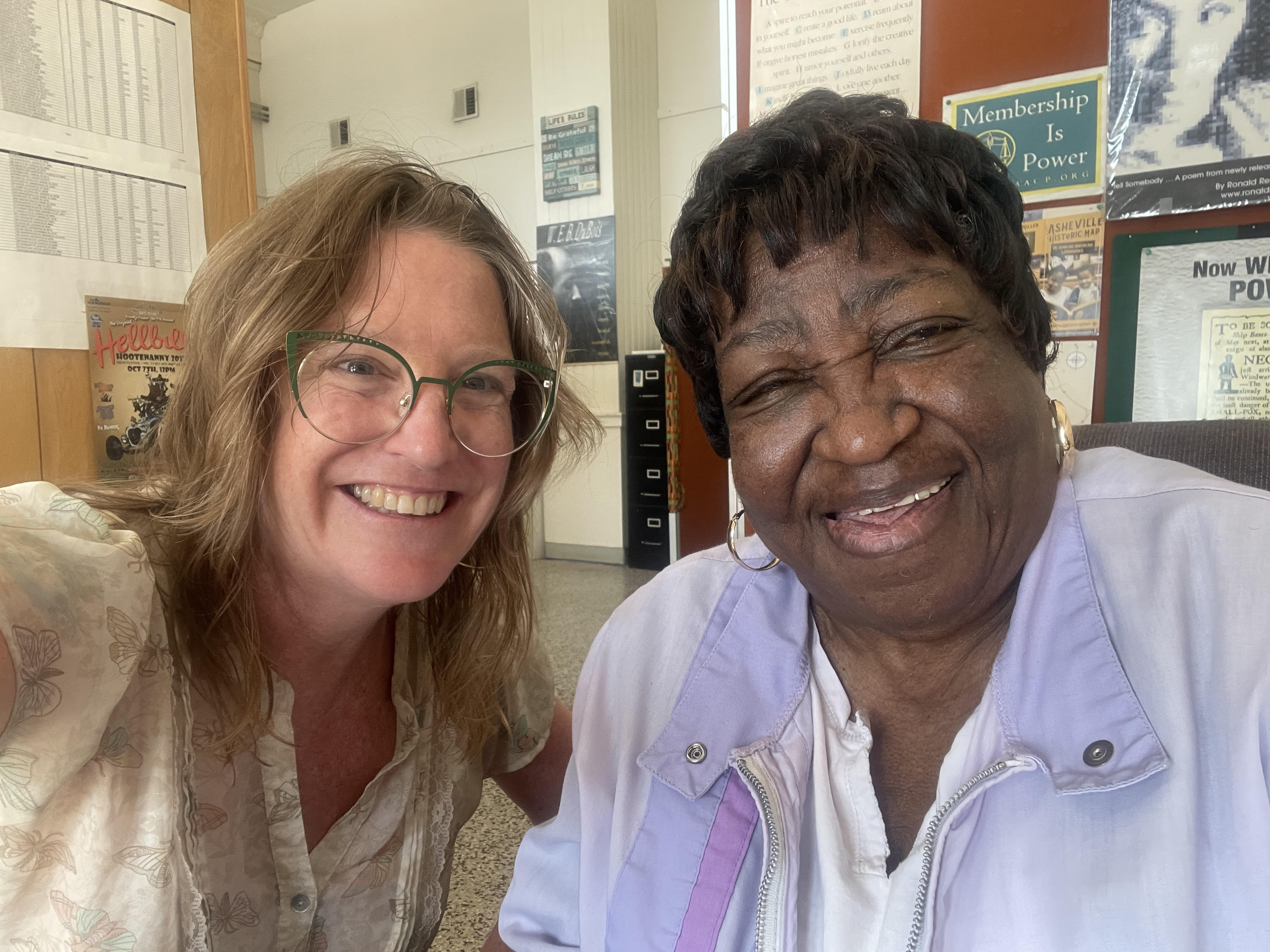
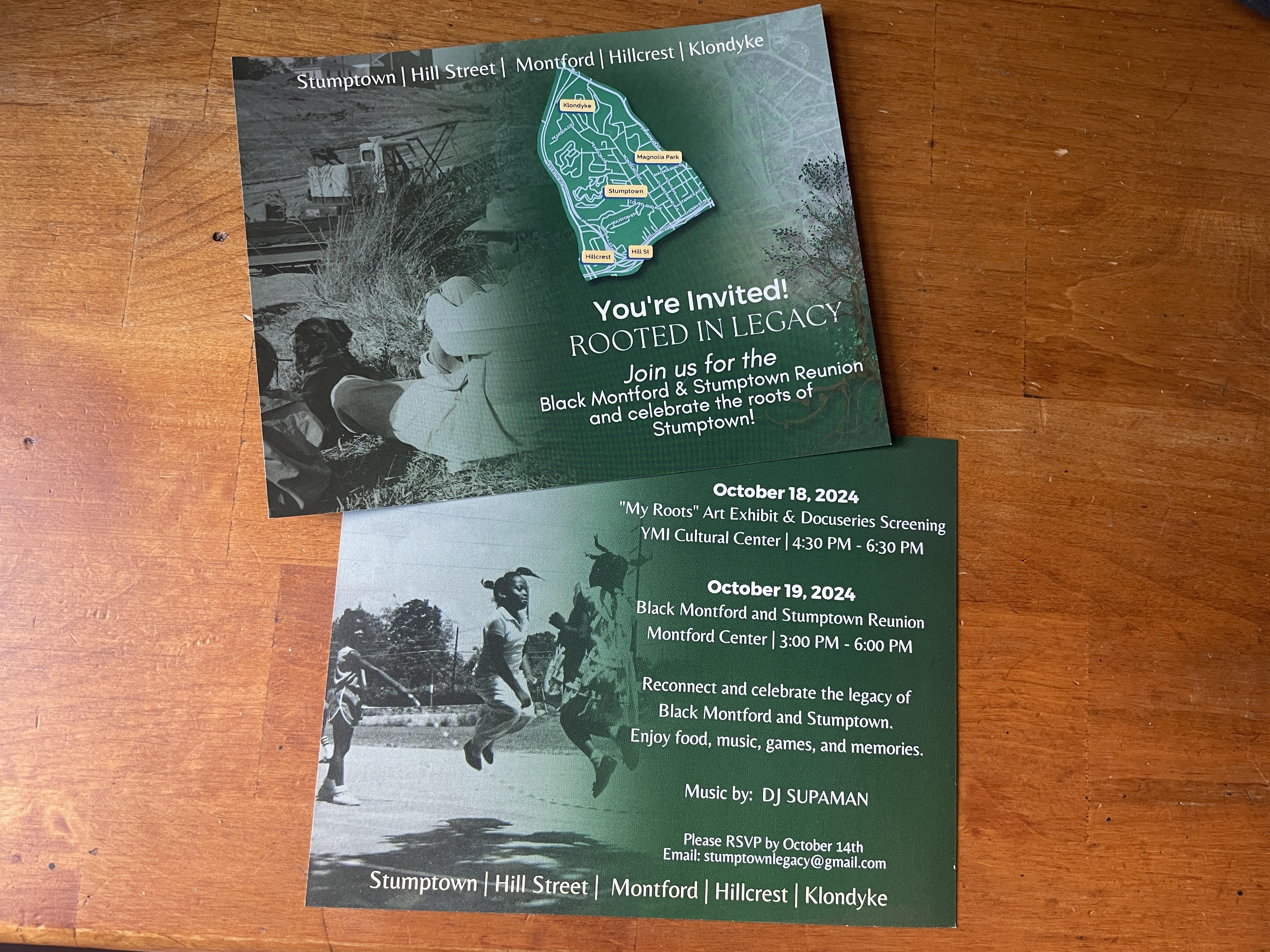
I got to visit my friend Ms. Sophie Dixon just before Hurricane Helene smashed through our region. We talked about many things, including the Black Montford & Stumptown Reunion which STM Multimedia and my little llc, Garnet Prose + Projects, were helping to produce. It was supposed to be last weekend, and sadly had to be postponed. Ms. Sophie grew up in Stumptown, and is generous with her stories. Speaking with her on the phone after the hurricane, I was grounded by her 86+ years of wisdom and resilience.

A survivor of the systemic storm of urban renewal, she remembers the massive devastation it wrought, and the loss of thousands of Black homes, businesses, cultural spaces, and critical community connection. Her response to that experience has been to dedicate her life to caring for Black Asheville, volunteering in Shiloh and at WRES FM and beyond. She makes a real positive impact on our community and inspires me to stay in the work.
BLACK ORGANIZING
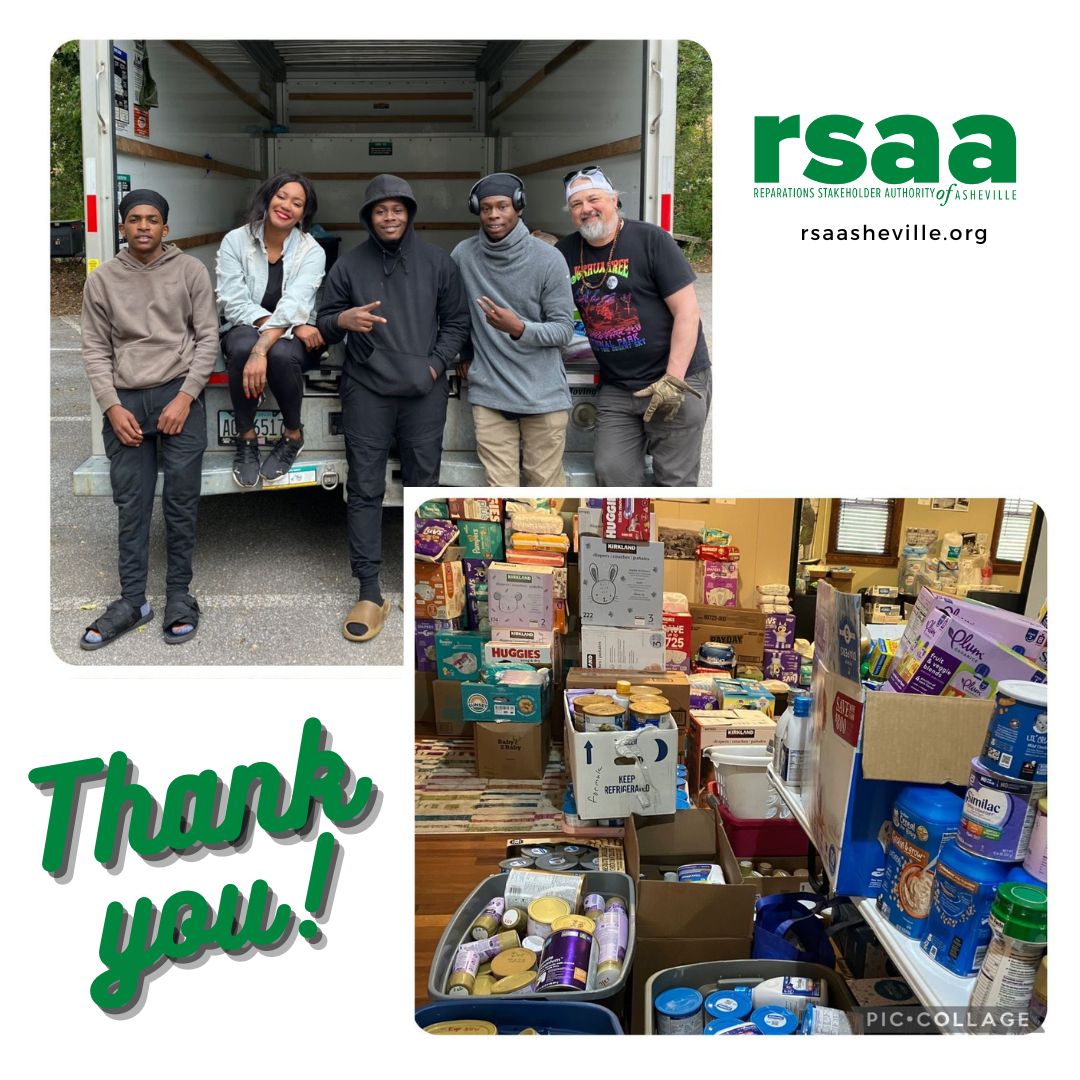
Currently, Black leaders across our city are organizing powerful mutual aid efforts, much of it neighborhood-based. In lieu of the reunion, STM Multimedia/Slay the Mic organized wellness checks and supply delivery for current and former Montford and Stumptown neighbors, including those in Hillcrest and Klondyke. We’ve seen self-advocacy and organizing in HACA-owned neighborhoods (aka “public housing,” which has majority Black residents).
Black-led organizations in action include YTL Training Programs, UMOJA Health Wellness and Justice Collective, the YMI Cultural Center and their partners, Operation Gateway, Hood Huggers, Southside Community Garden, Shiloh Neighborhood Association, the Reparations Stakeholders Authority of Asheville, East End Valley Street Neighborhood Association, My Daddy Taught Me That, Center for Participatory Change, Soulfull Simone Farm, and the Racial Justice Coalition. Many white allies are working alongside them, catalyzed by the crisis. These groups have been working with and for their communities for years, responding to hurts that happened before the hurricane, and will continue long after some percentage of their current volunteers retreat back into their comforts.

REMEMBER REPARATIONS?
Perhaps you’ve seen the “Phases of a Disaster” chart which certainly rings true, especially as I remember those same stages through the onset of the pandemic and after the 2020 uprisings for Black Lives. While the latter was not a “disaster” per se (though perhaps perceived as one by some), it had a similar trajectory. The community cohesion stage was palatable, and Black Lives Matter signs covered our city. Yet most of the signs that went up around that time have been taken down or painted over. I’ve been thinking about the stores downtown that were boarded up in 2020 out of concern about what revolution would entail. Now businesses are boarded up again, this time because the status quo held tight, thus causing inevitable climate chaos.
Reparations, which launched with great momentum, has lacked the same level of community-wide support as it moved forward. Our inability to truly be accountable for the extraction and theft inflicted on Black Asheville is evidenced as that population continues to shrink in size, and disparities continue to grow.
Yet I can’t help but hope that healing from this catastrophe will also connect us back to our passion for healing from past harms. What does rebuilding look like with a reparative lens?
HURTING BEFORE THE HURRICANE
Before the hurricane hit, many of us were already grieving losses and displacement caused by overtourism, and industry built with enslaved Black labor, and the resulting gentrification and overdevelopment, on formerly Black and Indigenous land. (There has been recent eloquent writing about this, including by Radical Vitalism, Palm + Pine, and Mergoat Mag).
After the hurricane, relief efforts led some white residents to visit our public housing neighborhoods for the first time to bring supplies or assist in other ways (thank you for your generosity and kindness). I wonder if those visits brought any new insights about how our city is set up. It’s been generations since Black families were pushed out of opportunities to build generational wealth and create centralized cultural spaces. Perhaps you, too, were wondering why the hell is our “progressive” city still segregated this way?!?! It’s a crime. Witnessing that ongoing systemic violence is deeply heartbreaking. The same patterns keep repeating.
Can we do things differently this time? What else is possible? Can we have a just recovery?
This will take a lot of intentionality on our part, as the status quo is already sucking us back into its machinery.

A JUST RECOVERY
This moment is an opportunity to build local, equitable economic and cutural ecosystems which are also better stewards of our natural ecosystems. I’m forever inspired by the cooperative housing, real estate and business networks stewarded by PODER Emma. That model can be replicated across our community. The New Economy Coalition has great resources on building a solidarity economy, and are hosting a Solidarity Economy 101 webinar on on October 24 .
I am motivated by Movement Generation and Mutual Aid Disaster Relief’s “Just Recovery” framework. The core principles are: Root Cause Remedies, Revolutionary Self-Governance, Rights-Based Organizing, Reparations, and Ecological Restoration for Resilience.
Under Reparations (“true reparations = repairing our relations”), they write, “In the aftermath of disaster, peoples are faced with the challenge and opportunity of reclaiming home – from the physical shaping and rebuilding of it, to the weaving of a new social fabric that defines their relationships. In making amends for past harm, we must reorganize the very nature of our economy so as to create new relationships going forward such that the harm can never happen again.”
In the aftermath of Helene, we have proven ourselves capable of extraordinary collective care. Can we build that ethos into our next iteration?
Another Asheville is possible.
The photo at the top of the page is Odell’s house the day after the storm, a tree down, but his altar unphased. I miss him so much. I’m glad he didn’t have this stress, but I would have loved to hear his commentary on Helene. He could make me laugh about anything.

Tepeyac Mountain Sanctuary Helene Response
In just a couple weeks, many of us will be recognizing Día de los Muertos on November 1st and 2nd. It is a time when the veil between this plane and the next is thin and we have greater access to our ancestors. We build ofrendas of marigolds to lead them to offerings of their favorite meals, sweets, drinks, and vices. We speak their names and we remember.
Tepeyac Mountain Sanctuary is organizing a distribution of 300 Día de los Muertos care packages as well as offering our support to Colaborativa La Milpa’s community event honoring the day and everyone’s disaster recovery efforts over the past few weeks.
We are also distributing children’s books that are written for children who have survived hurricanes and natural disasters. We’d love to get these into the hands of our families and classrooms!
You can order books for the library from Firestorm: https://firestorm.coop/r/helene.html


 Ami Worthen