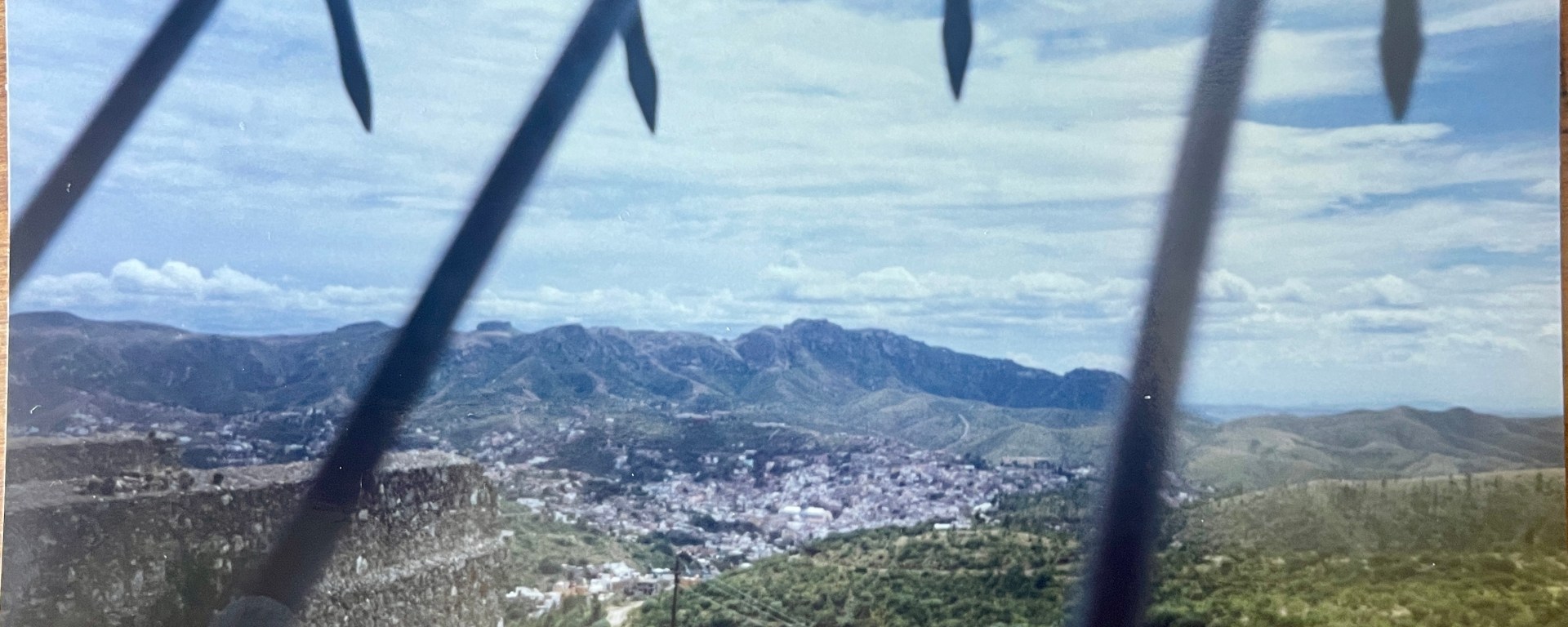
South America and North America (and Central America). The Americas. Las Américas. Abya Yala. The latter being the name used by various Indigenous communities and nations, to assert that “land and discourse, territorio y palabra, cannot be disjointed, severed” (Funambulist). I concur. Nor can they be separated from love.

“America” derives from Americus, the Latin version of Italian explorer Amerigo Vespucci’s (1454 – 1512) first name. It was first recorded in 1507 and first used on a globe by German cartographer Martin Waldseemüller (Wikipedia).
Every time I hear the word “Americans,” in my mind it’s everyone living in the Americas. Though I know it is used to mean USians. The audacity of claiming the name of two continents full of countries as our own moniker is annoying but unsurprising.
As we whirl around in a soup of suckery here in the U.S., the endless absurdities have included moves to rename places, such as changing the Gulf of México to the Gulf of America. Like duh, México is part of America, too, and has been for more time than the U.S. The word did not even originate in the states. Anyway, no use in trying to wrestle with the ridiculous “logic” of billionaire babies.
I’d like to focus on love.
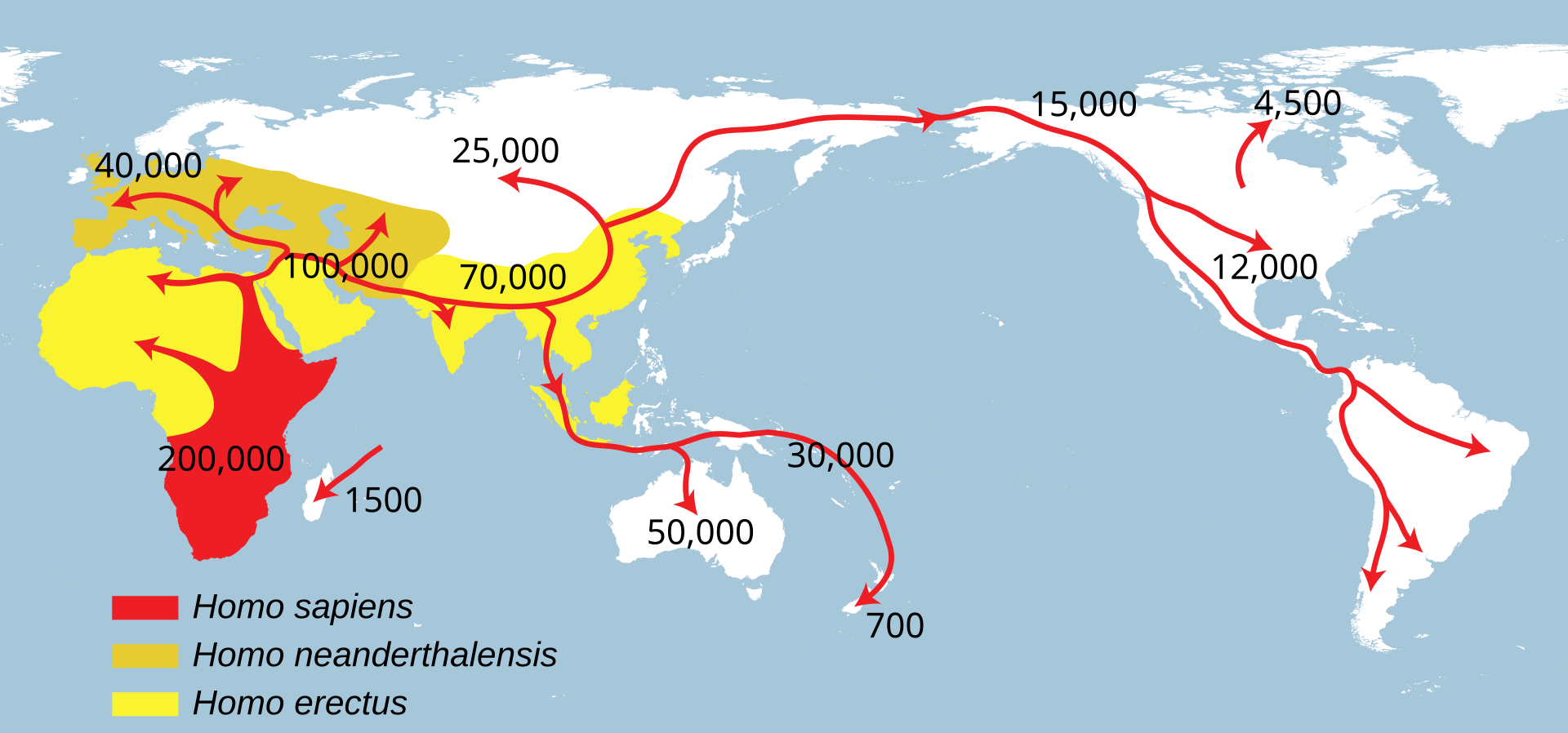
My life is infinitely richer thanks to migration across the Americas and across the globe. Humanity as we know it was made possible by global movement.
Mixed with love and gratitude for the beauty of migration is the reality of my ancestors’ moves to take land from other peoples through coercion, deception, and violence. For example, members of my lineage were some of the first white colonizers of Texas when that area was still México, populated by Indigenous communities. They arrived at least as early as 1837.
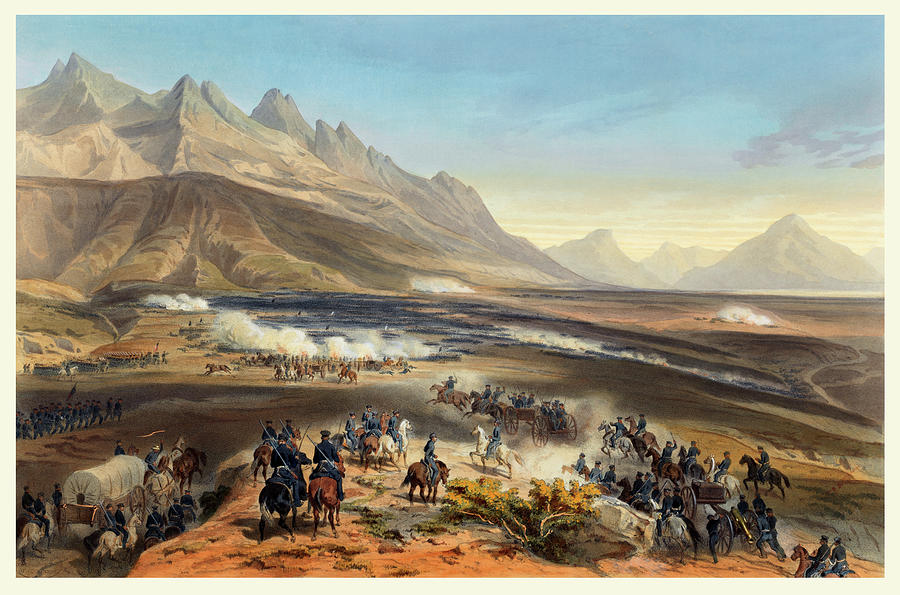
In 1847 my 3rd great grandfather William B. Robinson traveled all the way from Garrard, Kentucky to fight at the Battle of Buena Vista in the Mexican-American War. He was unaware of the future union between a Texas settler and his daughter, my 2nd great grandparents. Yet the outcome of that war made my existence possible. We each are baked in contradictions.
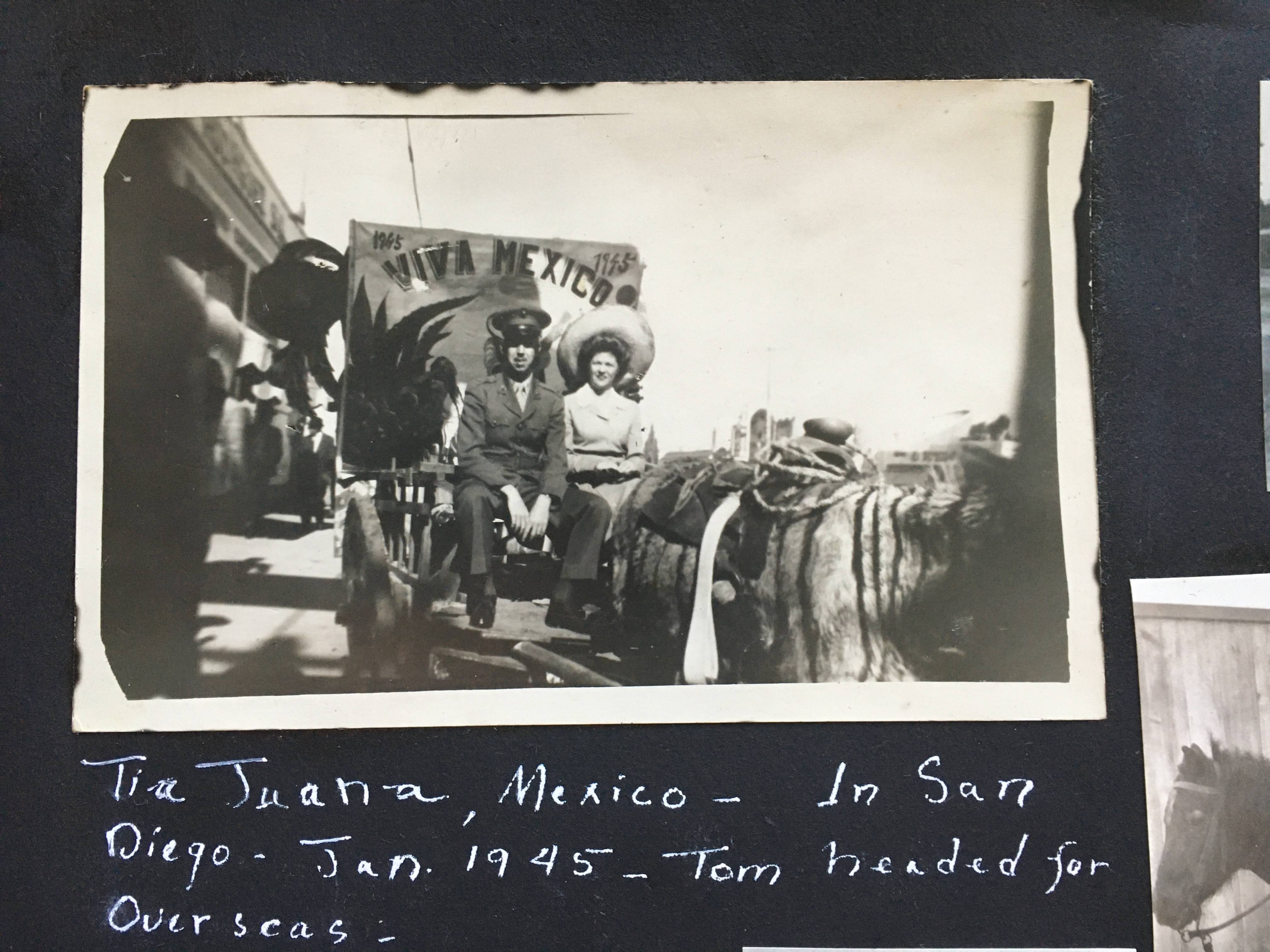
Years later, sometime in the 1980s, I would decide to take Spanish class in high school. I fell in love with the language. At that time I was oblivious to most history, including my family’s. I did know my grandparents (and later my mom and uncle) went to México quite often (from Texas), and that my grandmother loved Mexican folkloric dance and traditional pottery.
In college I chose a Spanish minor, and had the privilege to study abroad in Guadalajara, México for a semester. I lived with a local family and explored the country on weekends and breaks. This time in México shaped me deeply, influencing the trajectory of my life.
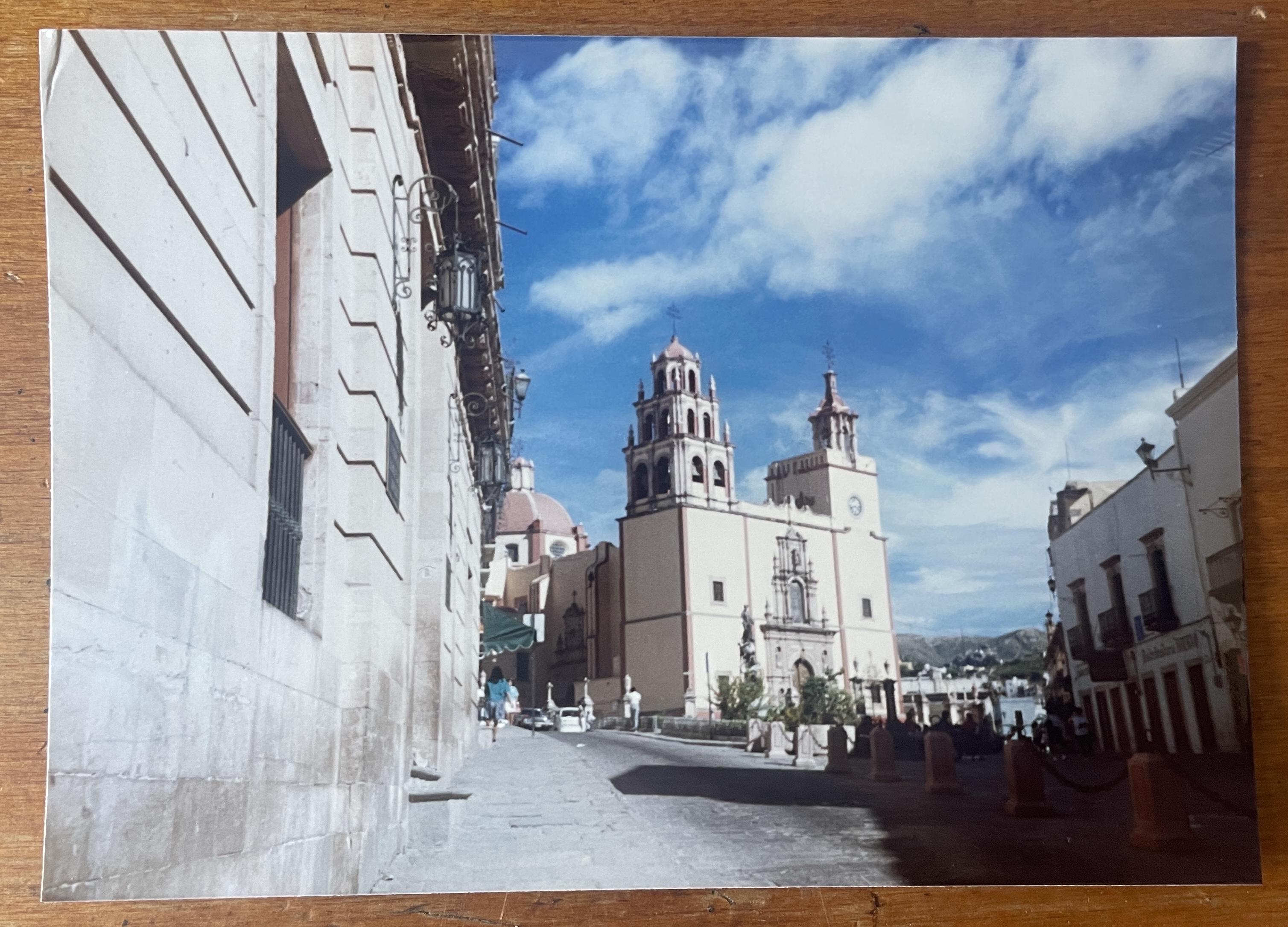
My connection to Latin America was further deepened when I lived for a half a year in a rural village in Costa Rica right after graduation, and through multiple trips to México in the ensuing decades.

My deepest connections across the Americas, however, are with dear friends, collaborators, and coworkers in Western North Carolina who come from México, El Salvador, Guatemala, Columbia, Peru, Chile, and other countries, and whose lives and community and contributions are solidly rooted here.

At the onset of the pandemic, I held hope that it would spur more people to consciousness around our global interconnectedness. The same with the climate crisis. That attitudes and actions would adjust to honor our interdependency. Yet we know nation states survive, and nasty narratives about immigrants harden hearts.
The damage of dehumanization is undeniable.
With the economic aspects of this issue, part of the work is eradicating the expectation of exploitation. Ensuring the conversation around immigrant rights centers love, not labor.
There is a throughline from the Black enslaved laborers who built cities to the immigrant laborers who repair and expand them. Our infrastructure has taken a toll on untold bodies. The line runs from forced relocation through chattel slavery to U.S. actions abroad that force people to emigrate. The vicious system we know as capitalism.
Amidst it we keep experimenting with alternatives, leaning into liberation. We know each being’s value is intrinsic, not based on being a cog in the wheel, a supply in the chain.
In my life, I have crossed borders easily. Capital crosses borders constantly. Not to mention food, music, literature. Butterflies and birds migrate the way nature intends.
We must protect our neighbors and friends.
Resources
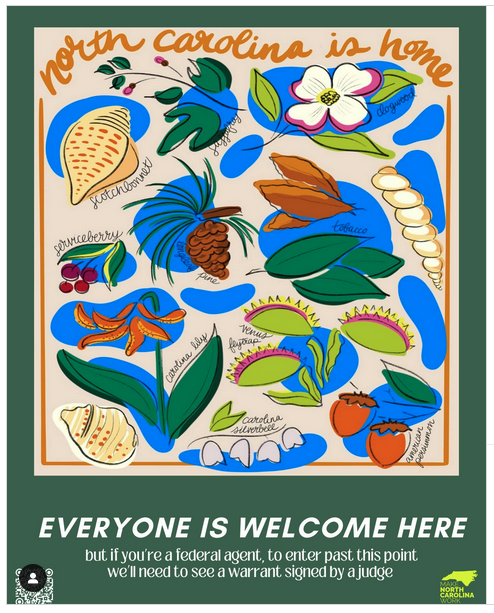
Attend: Register for the Help Build Workplaces That Defend Immigrant Rights event this Thursday, April 17. Siembra NC + CIMA (Compañerxs inmigrantes de las Montañas) are hosting a meeting in Asheville to help create 4th Amendment Workplaces where employees know how to defend their rights. In recent weeks federal agents have ramped up their use of unconstitutional warrantless arrests at workplaces. Teams of volunteers around the state are spreading the word about what workplaces can do — including here in Buncombe.

Amplify: If you can’t make the event, please still check out the 4th Amendment Workplaces website and spread the word to all of the businesses you’re connected with.
Follow: SIEMBRA NC
Listen: “Fight Fear, Build Power: Community Defense Works” – Kelly Hayes interviews Nikki Marín Baena of SIEMBRA NC on the Movement Memos podcast (available on all platforms)
Donate: Local bond/bail fund
Onward with love.


 Ami Worthen
Beautiful writing/reflections, Ami. I always love reading what you have to share. Thank you. xo
LikeLiked by 1 person
Thank you! xo
LikeLike