It’s Leo season now, the fire-y fixed heart of summer, and my heart has been burning with pain. Amidst personal hardships and global horrors, I’m sick with sorrow over the shooting that happened in Asheville on Sunday which left two dead and seven injured. It’s an echo of other violent deaths that have impacted our city, particularly in the Black community, which includes so many people I love and am connected with.
Tragedies like this hurt us all.
I’m sending so much love to those mourning Marques Davis and Lamarius Jones, prayers for those still fighting for life in the hospital, and hope for healing to everyone processing this trauma. It’s unfathomable.
Not to diminish or distract from those most impacted, but in their honor, these are thoughts that came to the surface after sitting with this horrible news.
We know the conditions for this particular tragedy have been created over centuries. Since the explicit exploitative violence of slavery, Black people have experienced what geographer and abolitionist Ruth Wilson Gilmore calls “organized abandonment.”
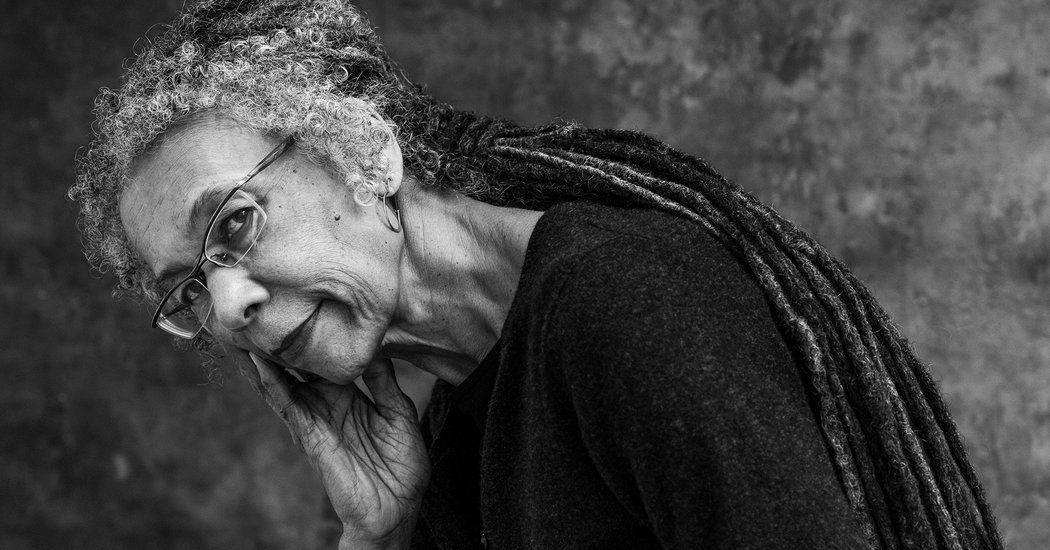
In an interview on Democracy Now, Gilmore explained, “Now, organized abandonment is not only abandonment by the state, it’s also abandonment by capital, whether it’s abandonment by real estate capital, that produces more and more luxury apartments but not affordable housing, as we can see in struggles throughout the city of New York and around the United States, or tourism capital, that pushes certain kinds of people out of certain areas of the city and only welcomes them in if they work as workers in the service industry, delivering, serving, taking care of and cleaning.”
“There are many, many ways for us to think about organized abandonment,” she continues, “but that thinking should bring us to consider both how capital — large and small — and state — municipal or greater — work together to raise barriers for some kinds of people and lower them for others.”
While the causes of interpersonal violent crime are complex, the collection of systemic crimes that is this abandonment is a significant part of the story. Almost 10 years ago I wrote an essay entitled, “When our babies use bullets,” and the thesis still stands. The harms done to the Black community have left many of the young people who stay here without enough options or hope.
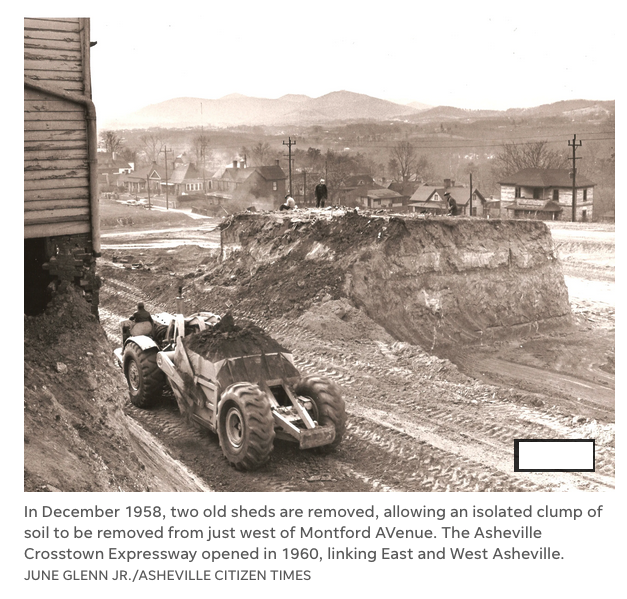
This is not new information, yet in my sorrow I am compelled to name it again. The Black history of my neighborhood reveals that the first urban renewal project in Asheville took place in the late 1950s around Hill Street, taking nice homes (not blighted) from the families of Black professionals to build the Cross-Town Expressway (19-23).
We know the urban renewal story of Black families being moved from home ownership into public housing rentals, including to Hillcrest which was built in 1959.
Now I look at I-26 coming up to the edge of Hillcrest and I’m gutted by watching history repeat itself. Though in this case, rather than nice homes, the highway is encroaching on apartments originally said to be temporary places for displaced families to live until they were given pathways back to homeownership. Instead, it has been an island of multi-generational poverty and systemic neglect.
I’m sad. I’m angry.
Asheville has been unable to make meaningful reparative moves to redistribute resources for new results. We are reaping the rotten fruit of this inaction.
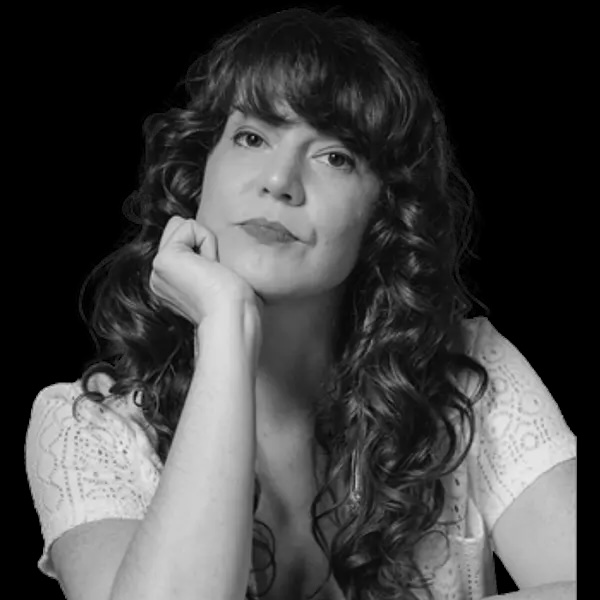
Looking further back, the layers of loss form sad strata underneath our stories. We are on land taken from the Cherokee people through deception and violence. In this “America 250” year, I am grateful for the work of journalist Rebecca Nagle, and her new “First America” podcast, which reveals the historical roots of the authoritarianism we are facing in the U.S. today. Roots that have been hidden in plain sight. As the show description reads, “Native people have been written out of the American story, but without us you don’t know what happened.” I encourage you to listen and learn.
Each section of strata holds truths to reckon with. Part of our reckoning with these layers is allowing ourselves to grieve. Grieving is such potent medicine.
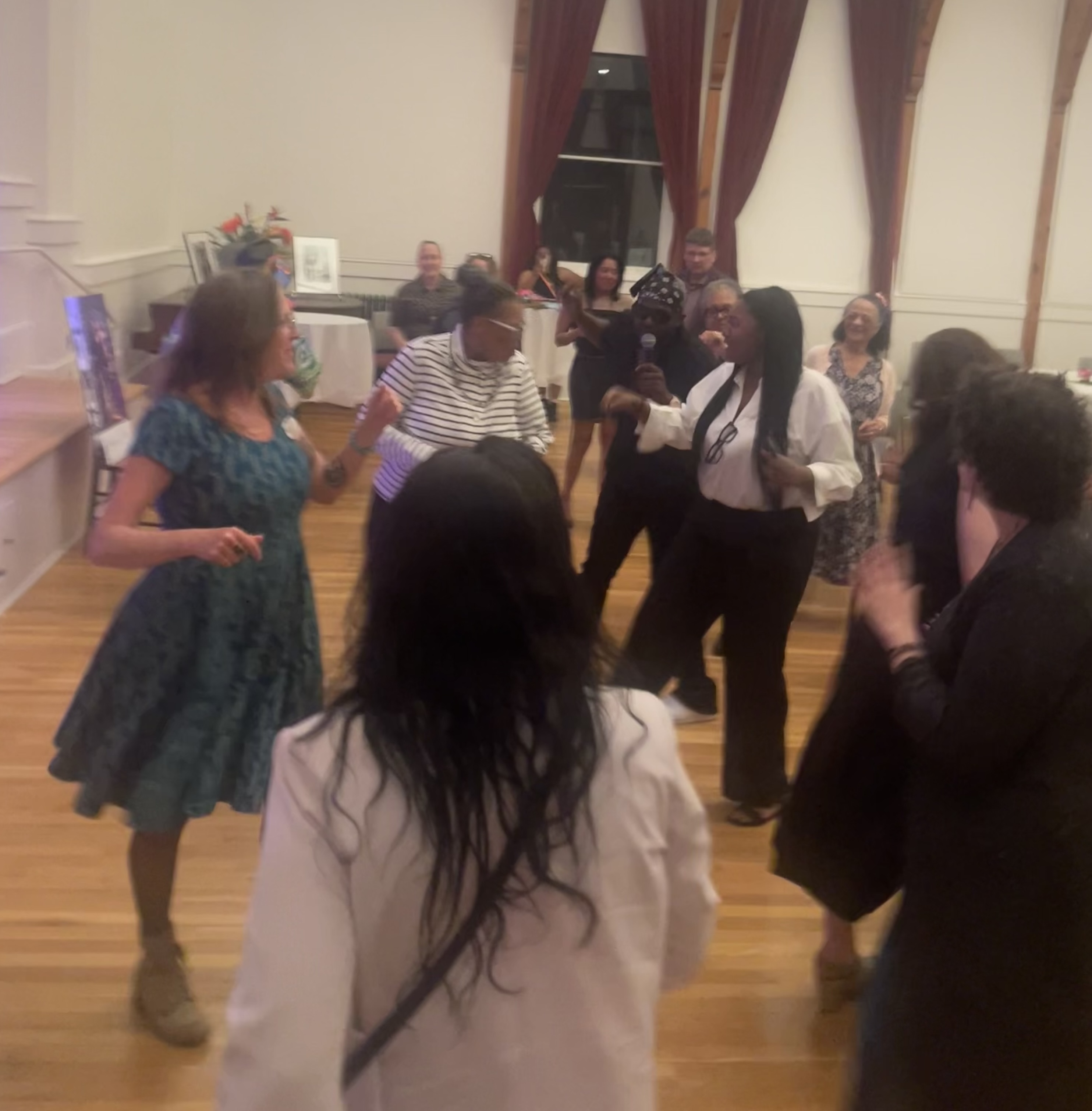
I was reminded of the medicinal nature of shared grief in March when I had the honor of being the emcee for my friend Andrea Clarke’s Celebration of Life. The depth of sadness we shared together stretched our hearts, as grief does, creating more space for joy.
Solace for the sorrows of life is found in spaces like that gathering. Spaces like what we are creating with Tepeyac Mountain Sanctuary. Being a part of this beautiful project is one of the ways I respond to the things that make me despondent.
Tepeyac’s core work includes healing justice, cultural organizing, liberation movement building, and resilience.
As many studies have shown, living and working in communities that are most impacted by systemic disparities causes a disproportionate rate of heart attacks, strokes, depression, PTSD, addiction, and more.
In response to this reality, we are establishing a retreat and healing center for community organizers, people coordinating mutual aid, and community-based organizations.
Tepeyac Mountain Sanctuary will be a place to gather to grieve losses and celebrate blessings. In addition to the workshops and programs to be hosted there, the location itself will be a profound healing resource where people are able to access open spaces, a private forest, a fresh creek, and an abundance of nature.
As I’ve shared, with support from generous donors and a loan from Invest Appalachia, Tepeyac has been able to purchase the perfect property for sanctuary. Thank you to everyone who has supported this dream thus far!
Now we are in the crucial next phase of fundraising – raising the money needed to get the infrastructure in place to operate. You can click here to make a donation. Any amount will truly make a difference.
If you’re on IG, follow us here, and sign up for our newsletter at tepeyacmountainsanctuary.org.
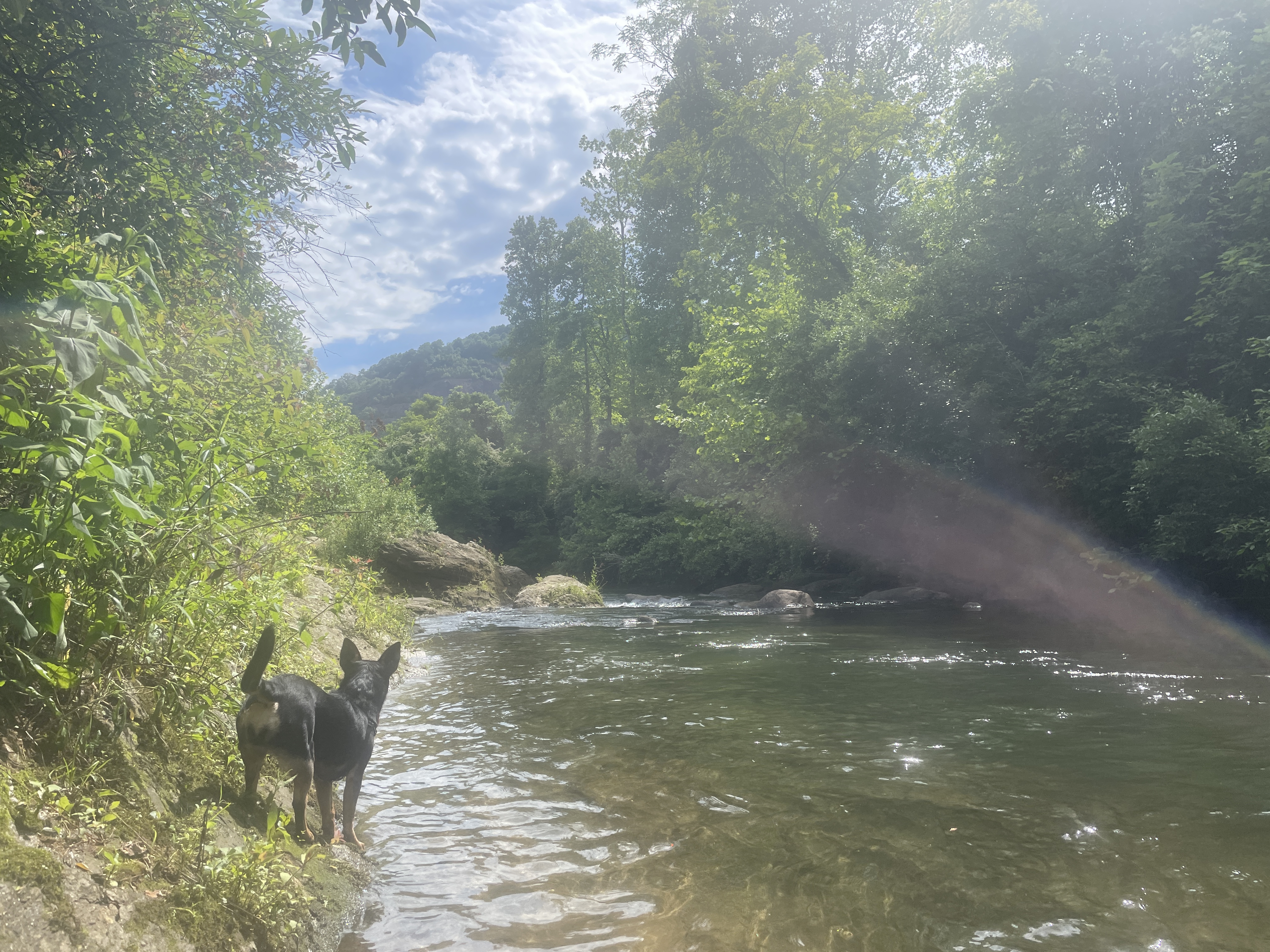
In this heart centered season, I am grateful to be able to share my sorrow with you. I also am grateful for summer swimming, the gift of giving my grief to the water. Floating with my feelings. I submerge and merge. Like all water, ours tears are sacred. May we find flow.
Onward.

Thanks for reading! You can subscribe on the homepage of my website. I publish something once a month. Onward.
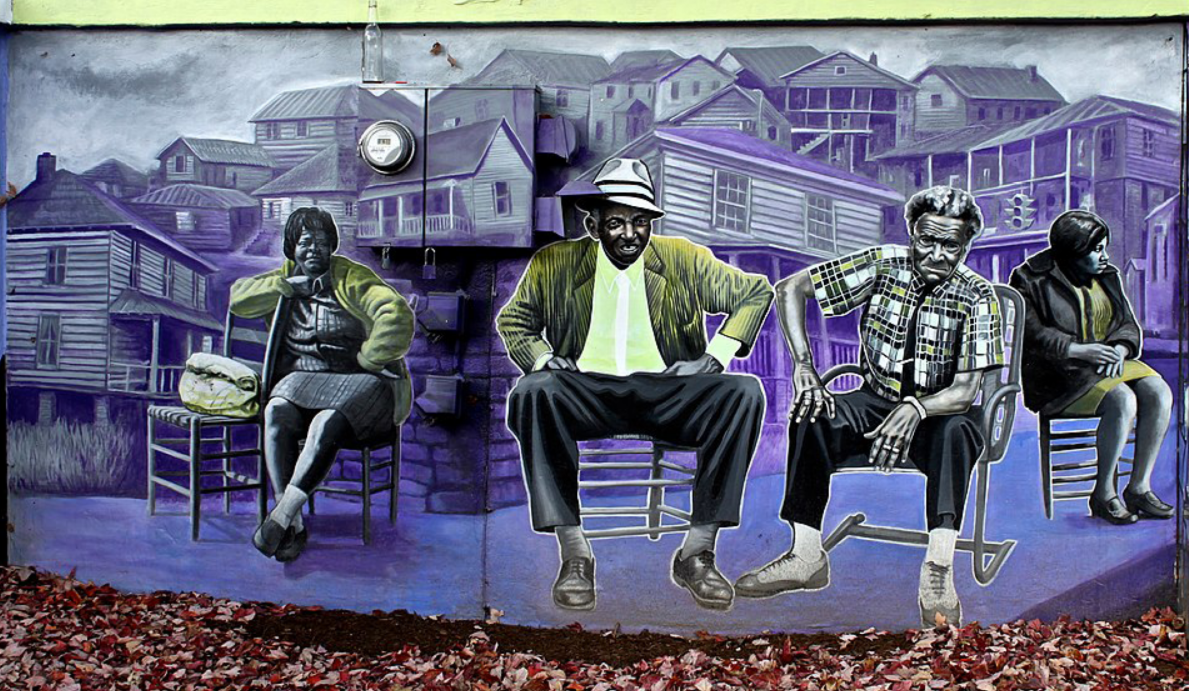
Cover image is a section of the Just Folks Mural in Triangle Park on the Block in Asheville.


