Thanksgiving dinners with my family in Spartanburg began at a gatehouse, asking a guard, who was working for low pay on a holiday, to let us (my sister Jen, my sweetheart Jason, and I) enter the neighborhood. Always a simple transaction, it would leave me feeling dirty. There is no way around claiming class privilege when your parents live in a gated community, with inequities greeting you upon arrival. Holding the contradictions of our lives, we would say thank you and drive through the gate.
In the time period I’m remembering, the early 2000s, Jason was usually driving, with me in the passenger seat and Jen in the back. We’d pass large, ostentatious houses and an immaculate golf course, with real peacocks voguing by an artificial pond, before turning the corner to my parents’ place. Having never lived there, the white two-story house with gothic columns and a manicured lawn was not “home” for me. Still, each visit returned me to my younger self.

As we arrived, exchanging Thanksgiving greetings, I like to remember myself as being gracious, not going on about the problematic history of the holiday. According to anecdotal family history, we had ancestors among the colonists who held the storied harvest celebration at Plymouth in 1621. The Thanksgiving origin story leaves out the fact that the colonists did not invite their Indigenous Wampanoag neighbors to the feast, despite their assistance having been critical to the settlers’ survival. The Wampanoag showed up anyway, bringing an abundance of food to share. Now I picture them unsuccessfully trying to get past my parents’ gatehouse.
The interior of the house was pristine, reflecting my mom’s fastidiousness, and the fact my parents could pay a person to help keep it clean. Everything would be in place, matching furniture in muted colors offset with understated art. The sanitary environment reflected my parents’ often stiff personalities.
My grandmother, my mom’s mom who we called Mudder, would be present, brought over from her nearby assisted living apartment. Born in Texas, and having lived most of her life in Dallas, her big personality was proportional to her birthplace. Always longing for the Lone Star State and the stimulation of a big city, Mudder never fully settled in Spartanburg, even after years of living there.
Though she grew up as a tomboy in Texas ranch country, Mudder was steeped in Old South culture, and believed in the importance of a woman’s grooming. Even in her 90s, when she only had a small amount of thin white hair, it would always be rolled, and she’d be wearing make up.
Similarly particular about appearance, my parents were preppy, wearing khakis and polos and cardigans and the like. Jen and Jason and I would dress more bohemian, much to Mudder and mom and dad’s chagrin. Yet, with a young part of me still aiming to please, I would wear my least wacky clothes to family visits, always covering my tattoos to avoid critical comments, or even worse, unsaid critiques communicated through looks.
For our Thanksgiving meal, my mom’s genteel Southern table setting was the main course. A perfectionist, she put great care into the details of the presentation, giving it more attention than the food itself. With tableware inherited from Mudder’s side of the family, it was a display that harkened to plantation dinners of the past. An ongoing disappointment for her, my mom’s value of adhering to the “proper” way to do things (in all areas of life) was never adopted by my sister and I, including when it came to things like etiquette or utensil placement.
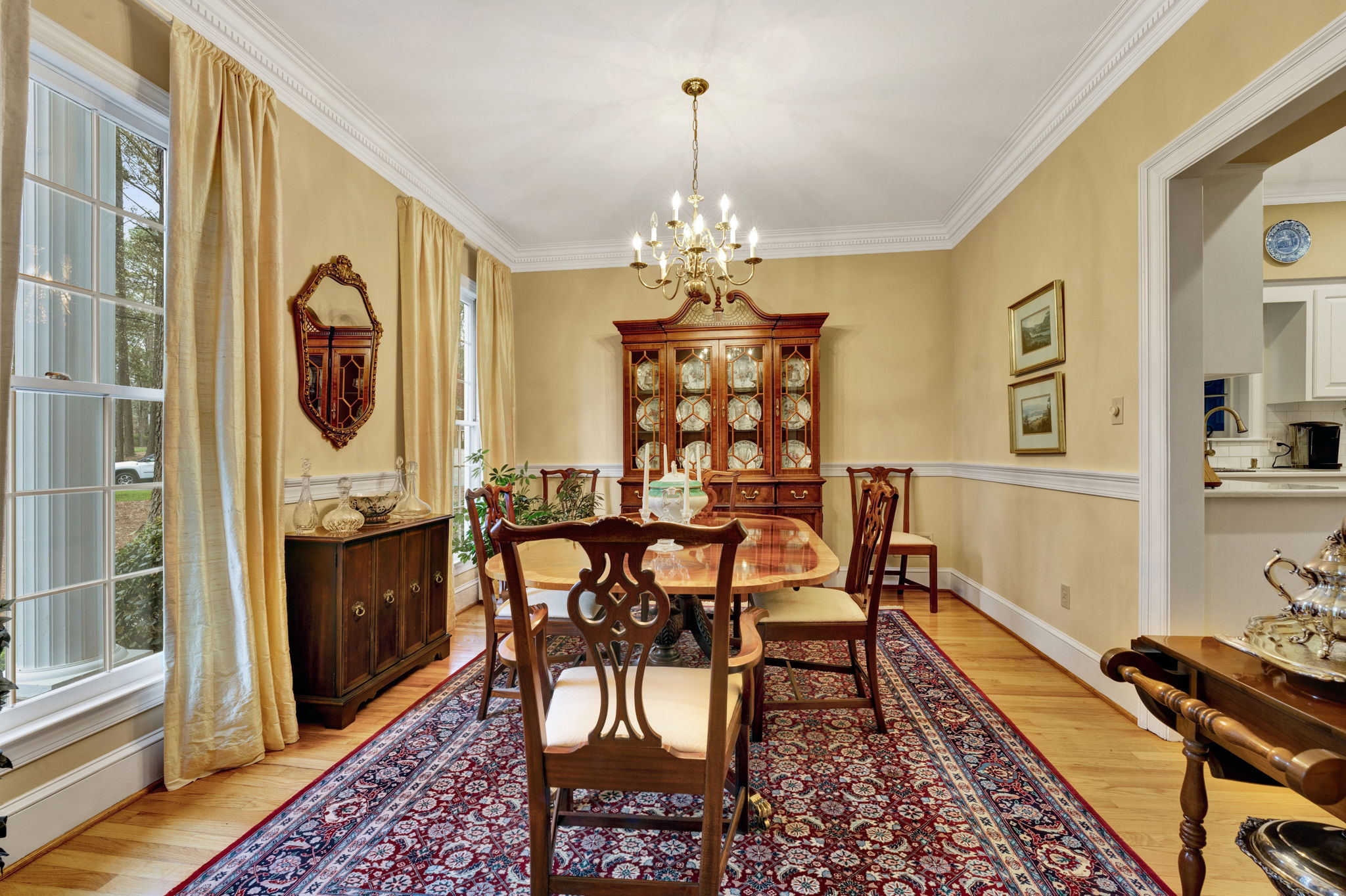
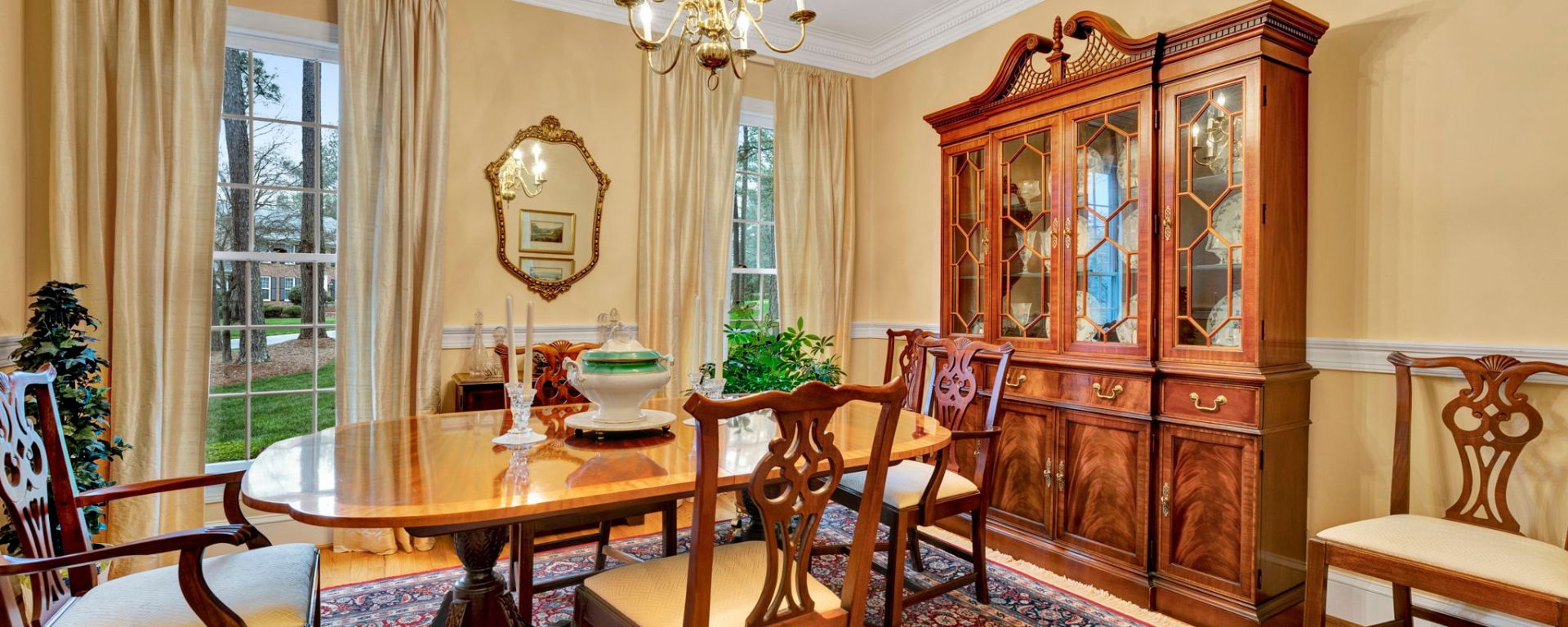
It was one of two times a year we’d eat in the dining room, the other being Christmas. The rest of the year the formal room sat fallow. Tall windows with long drapes looked out on the front lawn. In the center of the room was a large dining table, made of polished walnut. It would be set with satin placemats and a seasonal centerpiece with tall candles in silver holders. The table and matching chairs sat on an elegant oriental rug. Filling another wall was an antique glass cabinet which held the family china and silver and crystal, only used for dining room meals.
It wasn’t until months after we had what would be our last Thanksgiving together at that table on that china and silver and crystal that I finally thought deeply about those heirlooms. I was slow to face the complicated significance these items held, even as I was intimate with them. They represented status and success for my ancestors, who felt entitled to be served food on silver platters they never polished themselves.
The meal itself was in juxtaposition to the finery it was served on. I have sympathy for my mom in her struggles with cooking. The last debutante of her lineage, she was the first female in many generations not to have a Black person preparing food for her family. As a young mother, Mudder had employed a woman named Myrtle who worked in the home, cleaning, cooking, and helping raise my mom and her brother. Back on up the line, there were countless servants and enslaved people who grew and prepared the food that kept my ancestors alive.
Having not learned how to cook while growing up, after getting married my mom taught herself the best she could. Her cooking skills were never strong. As kids, we ate a multitude of bland packaged meals. Perhaps due to her nervous nature, when my mom did cook, Jen and I were not encouraged to help her in the kitchen. We both have discomfort around food prep to this day.
Our Thanksgiving menu included the traditional turkey, purchased pre-cooked, heated in the oven and cut by my dad with an electric knife, his only contribution to meal preparation. It was usually quite dry. Sides included soggy green bean casserole, stuffing bought premade and heated in the microwave, and a jello dish with marshmallows and fruit, made in a tupperware mold likely purchased at an actual Tupperware party in the 1980s. There were dinner rolls from a package, cranberry sauce out of a can, and turkey gravy, also premade. Dessert was store bought pumpkin pie. We drank juice or cheap white wine out of crystal glasses, except for my dad, who drank milk and Diet Coke.
When I try to create a composite Thanksgiving dinner conversation from this time period, I picture us through our sun signs. My mom, an anxious Virgo, expressed worries and concerns. My dad, Gemini, hot and cold, curious and distracted. Mudder was a bubbly font of Pisces creativity and compassion. Jen, also Pisces, focused on the esoteric side of things. Jason, Aquarius, concerned about everyone’s well being. Me, big sister Capricorn, sharing judgements. Arguments occasionally ensued. Dad would goad me with a conservative viewpoint, or Jen would upset mom with an outlandish statement. Mudder would get frustrated with us all. There was laughter, kindness, and a great deal left unsaid. We did not linger at the table.
When we were done eating, mom would use a silver snuffer to carefully put out the candles. She worked hard to create special Thanksgiving days for us, from the silver gravy boat to the china dessert plates. As awkward and flavorless as those meals were, there was nourishment in being together. We loved each other through our sometimes strained conversations. We felt real gratitude.
Mudder died in 2012, my parents in 2023. After their deaths, I saved a few heirlooms, though the silver was pawned, and the china ended up at Goodwill. While mom treasured tradition, I aim to innovate outdated expectations. I’m a generation further from our plantation owning ancestors than my mom was, closer to turning pain and privilege into new possibilities.
I am still learning how to cook.


This essay was sparked by East Fork’s “Taste of: A Food Writing Workshop” taught by my brilliant, big hearted friend Connie Matisse.
You can subscribe to these writings on the homepage of my website.


Ami, thanks for sharing this piece. It reminds me of our Thanksgivings as well as our Friday night shabbat dinners (growing up Jewish). They were not always comfortable, and my mother too was limited in your cooking skills, but I look back with a nostalgia. I realize both my parents did the best they could, and while I was generally unappreciative back then, I am moreso now. Take care.
Ron Katz
LikeLike